
Pakistan’s industrial sector is expanding faster than conventional construction can support. From Multan’s cotton processing plants and Rahim Yar Khan’s agro-industrial estates to the textile clusters of Faisalabad and the logistics hubs of Lahore, factory owners and project managers are turning to professional industrial shed manufacturers in Pakistan to deliver workspace faster, at lower cost, and with greater flexibility than any brick-and-mortar alternative.
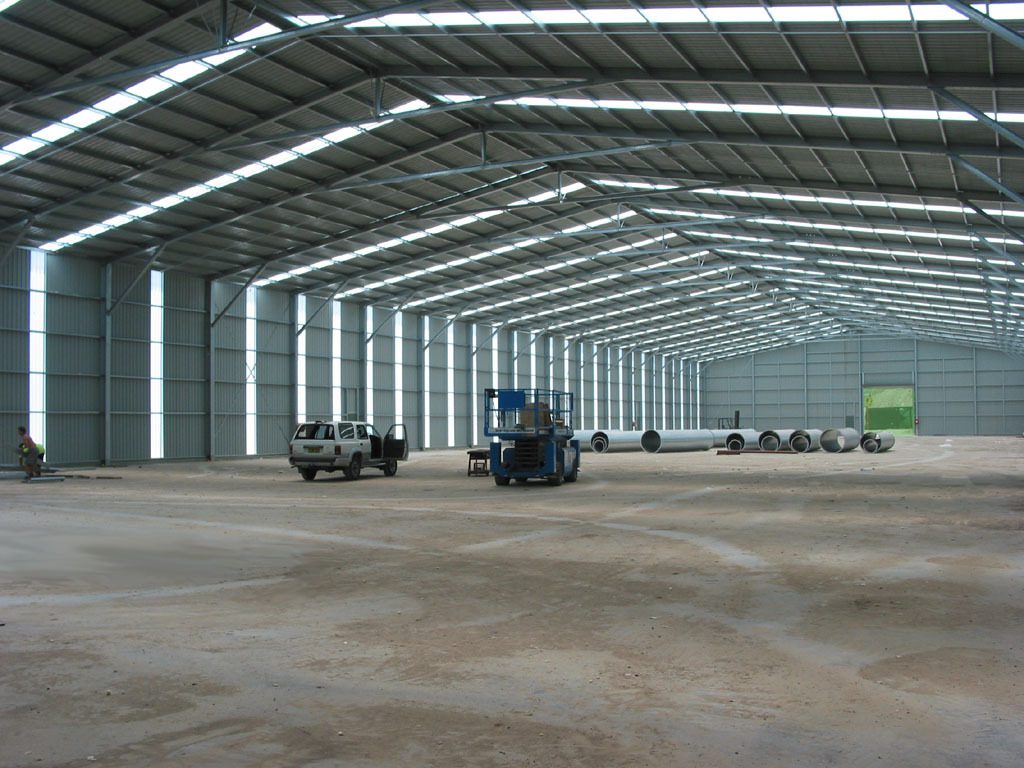
The choice of shed type — new steel, prefabricated PEB, or used industrial steel sheds — directly affects your project budget, delivery timeline, and long-term operational costs. Understanding what each option delivers, and how leading industrial shed manufacturers in Pakistan design and build for the country’s diverse climate zones, is the foundation of any sound investment in industrial infrastructure.
This guide covers every shed category in detail — factory sheds, warehouse sheds, used structures, and climate-engineered options for South Punjab — with real 2026 pricing, a corrected material comparison table, and a step-by-step checklist for evaluating any manufacturer before you commit.
What Sets Reliable Industrial Shed Manufacturers in Pakistan Apart?
Pakistan’s market for industrial shed manufacturers ranges from highly capable engineering firms with CNC-equipped fabrication facilities to small local fabricators operating with limited technical capacity. The quality difference between these two ends of the market is significant — and the consequences of choosing wrong show up years after the contract is signed, in the form of structural failures, rust damage, insulation failure, and maintenance costs that exceed the original price difference.
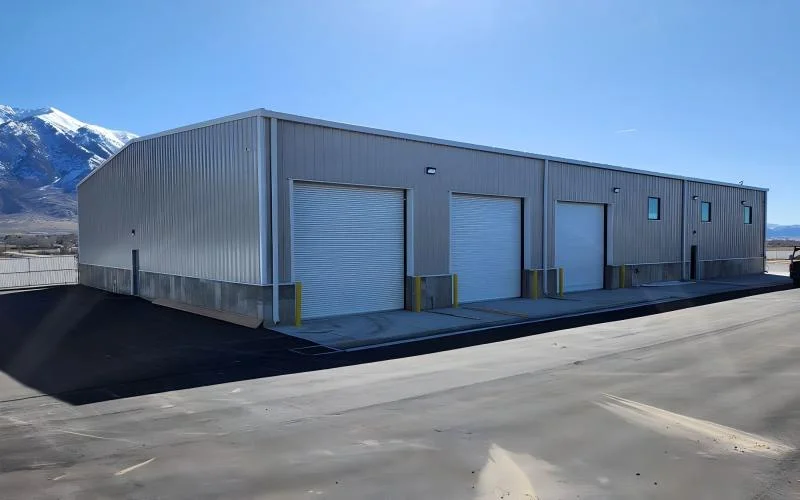
The key differentiators of a quality industrial shed manufacturer in Pakistan are not always visible in a brochure. In-house engineering capability — the ability to produce stamped structural drawings and structural calculations — determines whether the shed is designed for the actual loads and wind conditions at your specific site, or simply built to a generic template. CNC fabrication equipment determines the dimensional accuracy of every column, rafter, and connection plate. Surface treatment processes — shot blasting and primer application before topcoat — determine how long the structure resists Pakistan’s corrosive climate without rust.
Steel City maintains all three capabilities in-house at its Lahore-based production facility, with delivery and installation teams serving Multan, South Punjab, and all major industrial cities across Pakistan.
Factory Sheds — Specifications, Applications, and Design Considerations
Factory sheds represent the largest category of industrial steel shed construction in Pakistan. They cover the full spectrum of manufacturing and production requirements — from small workshops of a few hundred square meters to multi-bay production halls covering tens of thousands of square feet under a single continuous roof.
Open-Span Factory Sheds for Manufacturing and Assembly
The defining characteristic of a quality factory shed is its clear internal span — the distance between load-bearing columns, free of intermediate obstructions. For production lines, machinery installation, and material handling, clear spans of 20 to 40 meters are standard. Steel City’s open-span factory sheds use primary PEB steel frames to achieve these spans at a fraction of the material weight of conventional structural steel, reducing both foundation requirements and overall project cost.
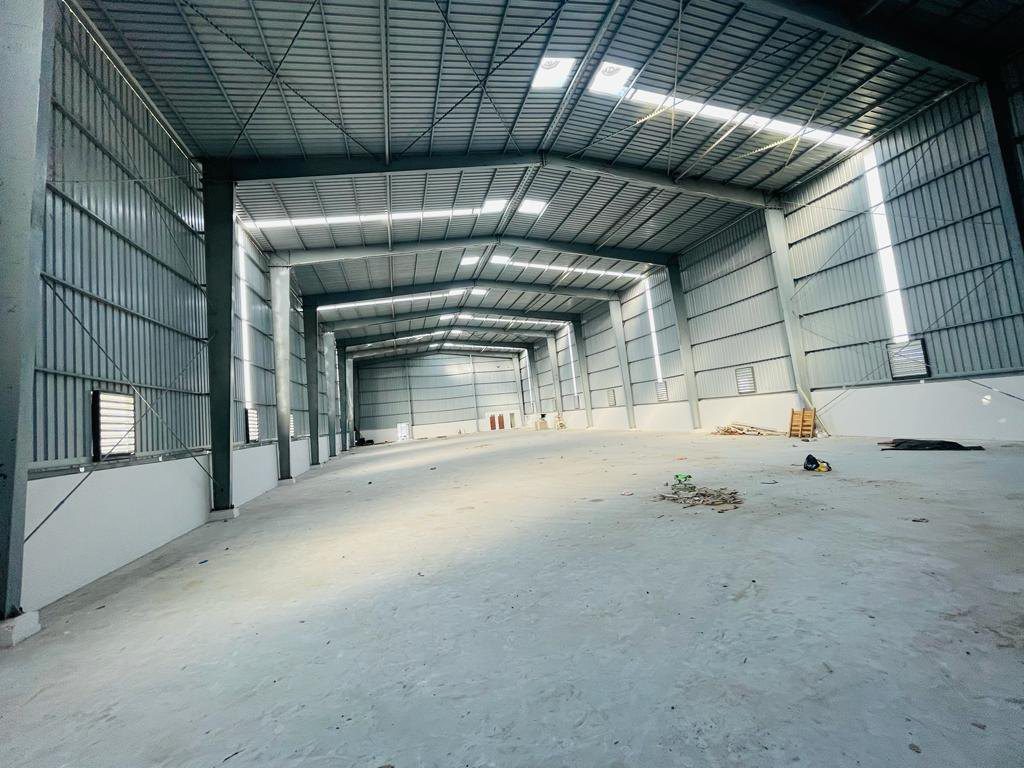
Standard specifications for Steel City factory sheds include: high-tensile steel primary frames with hot-dip galvanized or primer-coated surface treatment, roll-formed secondary purlins and girts at 1.5 to 2 meter spacing, pre-coated colour steel roof and wall cladding sheets, and ridge ventilation systems to exhaust heat from the building during production operations. Floor-to-eave heights from 5 meters to 12 meters are available to accommodate different machinery or racking height requirements.
High-Bay Factory Sheds with Crane Systems
Heavy manufacturing, steel fabrication, and vehicle assembly operations require high-bay factory sheds with overhead crane systems integrated into the primary structure. Steel City designs crane runway beams as part of the shed’s structural frame, sized for the specified safe working load and span. Column brackets and runway girders are engineered to the crane manufacturer’s loads, ensuring the structure is certified for safe crane operation from day one of commissioning.
Temperature-Controlled Factory Sheds for Textile and Food Processing
Textile production and food processing both require factory sheds with active climate control. EPS sandwich panel walls and roof cladding are the standard specification for these applications — they reduce heat gain dramatically compared to single-skin steel sheeting, lowering air conditioning loads and protecting production quality. For pharmaceutical manufacturing and cold chain operations, PU-insulated panel systems deliver the higher thermal resistance required by regulatory standards.
Warehouse Sheds — Fast, Scalable Storage for Pakistan’s Growing Logistics Sector
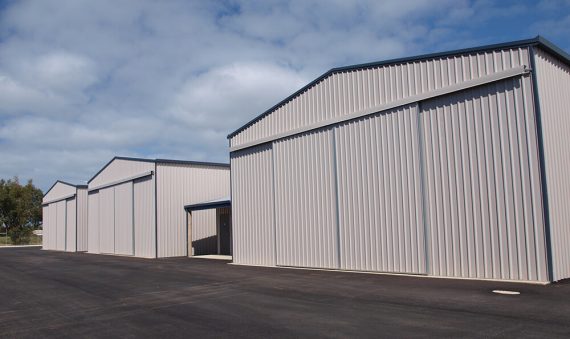
Demand for warehouse sheds across Pakistan has grown sharply in recent years, driven by e-commerce expansion, import/export growth through Karachi and Gwadar, and the formalisation of supply chains in the food, FMCG, and pharmaceutical sectors. A quality PEB warehouse shed from a professional industrial shed manufacturer in Pakistan delivers the clear-span floor area, loading dock integration, and expansion capability that modern logistics operations require.
The most important design parameters for a warehouse shed are clear internal width, floor-to-eave height, and the dock configuration. Steel City’s warehouse sheds achieve clear widths of 30 to 50 meters without intermediate columns, eave heights from 6 to 10 meters to accommodate racking and mechanical handling equipment, and integrated dock leveller bays positioned to match the client’s truck access and unloading requirements.
Warehouse sheds benefit strongly from insulated roof panels. In Multan and South Punjab, bare steel roofing can cause interior temperatures to exceed 55°C in summer, damaging temperature-sensitive inventory and making the space unusable for workers. EPS-insulated roof panels keep interiors at a significantly more manageable level with standard ventilation, protecting both goods and personnel without the capital cost of full air conditioning.
Used Industrial Steel Sheds — When Second-Hand Makes Business Sense
Used industrial steel sheds represent a distinct segment of the market that many buyers overlook. When a factory closes, relocates, or restructures its operations, its steel shed infrastructure often becomes available for purchase and reinstallation at a fraction of the cost of a new equivalent. For businesses that need to expand operational capacity quickly on a limited budget, properly refurbished used industrial steel sheds offer a practical and cost-effective route to additional covered space.
When Used Industrial Steel Sheds Are the Right Choice
Used sheds are well-suited to applications where the structure will serve a temporary or medium-term purpose — an expansion space while a new facility is being planned, a storage buffer during peak season, or a transitional workspace during a relocation. They are also appropriate for agricultural storage, construction site compounds, and lower-value warehousing where the long-term performance expectations are different from a primary production facility.
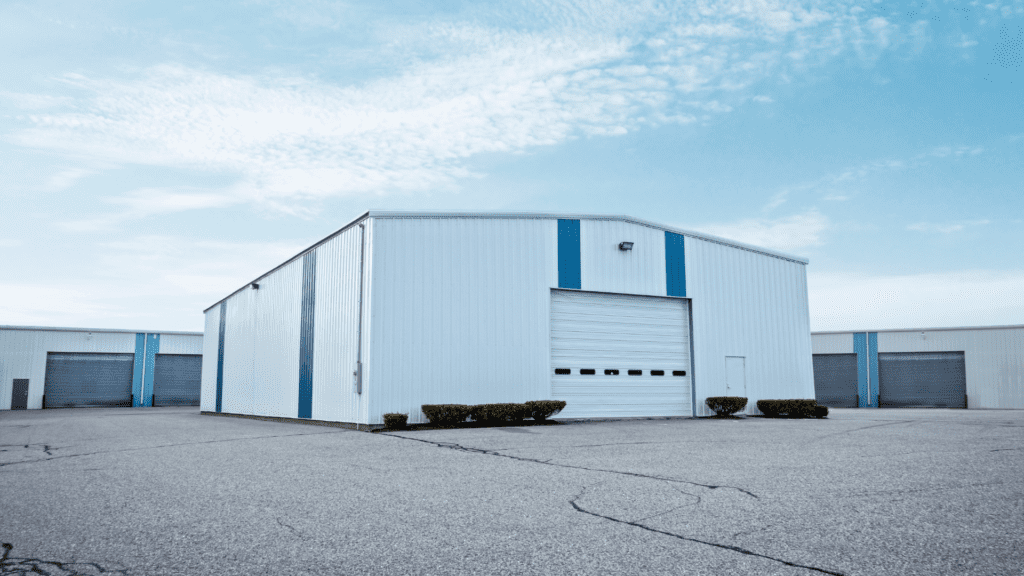
They are generally not the right choice for primary production facilities, food-grade or pharmaceutical environments, or any application where regulatory compliance requires certified structural documentation. For these uses, a new PEB structure from a qualified industrial shed manufacturer in Pakistan is the correct specification.
What to Inspect Before Buying a Used Industrial Steel Shed
Before committing to a used industrial steel shed purchase, the following elements must be assessed by a qualified structural engineer:
• Primary frame condition: inspect columns and rafters for deformation, significant corrosion, or weld failures at connections — these are structural integrity issues that may disqualify a used shed from reuse
• Cladding condition: roof and wall sheets are easily replaced, but significant rust-through or panel deformation indicates the shed has been poorly maintained throughout its service life
• Structural documentation: original design drawings and specifications confirm the shed’s original load-bearing capacity and help determine whether it is suitable for the intended new use
•Component completeness: purlins, girts, wall panels, gutters, downpipes, doors, and anchor bolts must all be accounted for — missing components may cost more to replace than the saving on the used structure
• Refurbishment scope: Steel City assesses all used sheds before recommending them to clients, including surface treatment, re-bolting of connections, and replacement of any structural members that do not meet minimum safety standards
Building Material Comparison — Performance in Pakistan’s Industrial Climate
The table below compares the four main construction approaches for industrial buildings in Pakistan across the criteria that matter most to procurement decisions.
| Building Method | Upfront Cost | Lifespan | Maintenance | Weather Resistance |
| Conventional Concrete | High | 30+ years | Moderate | Good (but cracks over time) |
| Brick & Mortar | High | 40+ years | High | Moderate — moisture damage |
| New Steel Shed (PEB) | Low-Medium | 25-35 yrs | Low | Excellent — rust & pest proof |
| Used Industrial Steel Shed | Lowest | 15-20 yrs | Low-Med | Good after refurbishment |
For most commercial and industrial applications in Pakistan, new PEB steel sheds deliver the optimal combination of cost, speed, and long-term performance. Used industrial steel sheds offer a lower entry cost for appropriate applications, while brick-and-mortar remains a legacy choice with higher upfront cost and maintenance demand.
Industrial Shed Demand in Multan and South Punjab
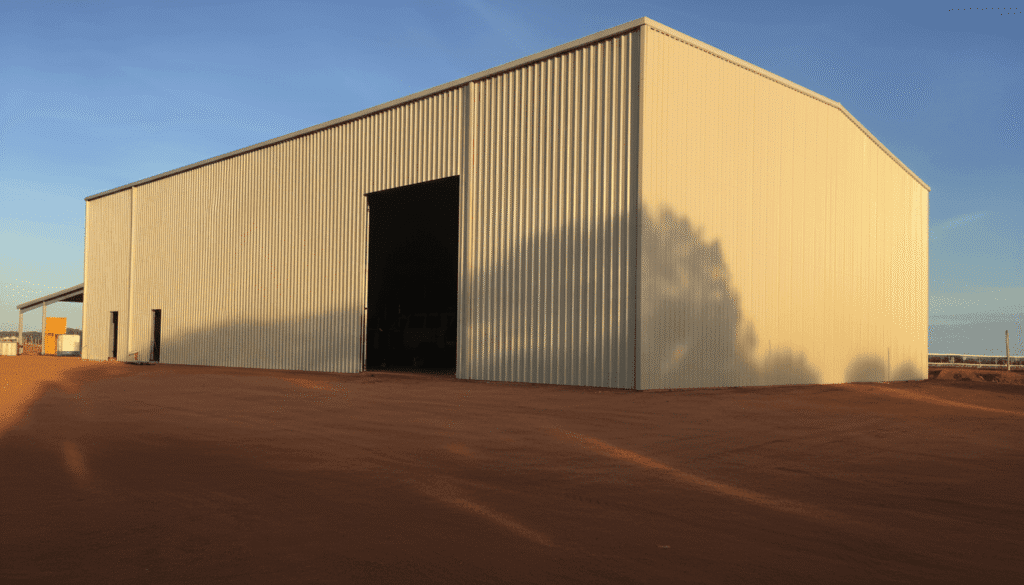
Multan is the commercial and industrial capital of South Punjab, and its industrial shed requirements have distinct characteristics that set it apart from the conditions faced by factory owners in Lahore or Faisalabad. Understanding these differences is critical to specifying a shed that will perform correctly for the full duration of its service life.
Multan — Pakistan’s Hottest Industrial Market
Multan regularly records Pakistan’s highest summer temperatures, with peaks between 48°C and 50°C in extreme years. For any factory shed or warehouse shed in Multan that will be occupied or used for temperature-sensitive storage, bare steel cladding without insulation is functionally inadequate. Steel City specifies EPS-insulated wall and roof panels as the minimum standard for all occupied Multan shed projects, with PU-insulation for premium or pharmaceutical-grade applications. Ridge ventilation systems are fitted to all Multan factory sheds as standard, exhausting accumulated heat from the roof apex to maintain working conditions through the summer months.
Multan’s industrial sectors generating the strongest demand for Steel City’s factory and warehouse sheds include: cotton ginning and cotton seed processing, mango cold-chain packing and distribution, food processing and flour milling, textile spinning and weaving, and construction materials manufacturing. Each sector has specific height, span, and insulation requirements that Steel City’s in-house engineering team addresses at the design stage.
Rahim Yar Khan, Dera Ghazi Khan and Bahawalpur
South Punjab’s secondary industrial cities share Multan’s extreme heat profile but add further challenges: greater distances from Punjab’s main fabrication centers increase transport costs, and infrastructure quality on some site access roads requires heavier-gauge components to survive delivery without damage. Steel City’s established project experience in Rahim Yar Khan — particularly in the sugar manufacturing and logistics sectors — and in Dera Ghazi Khan’s cement and building materials industry provides the local site knowledge needed to avoid the delivery and installation problems that unfamiliar manufacturers encounter in these locations.
Bahawalpur’s growing university, healthcare, and agro-industrial sectors are generating increasing demand for fast-delivery factory sheds and warehouse sheds as the city expands. Steel City quotes and delivers to Bahawalpur and all major South Punjab cities, with project costs and delivery timelines specified on a site-specific basis For a complete technical guide to PEB structures, multi-span workshops, and steel shed fabrication across Pakistan: PEB Structures in Pakistan: Industrial Steel Sheds, Warehouse Construction & Multi-Span Workshops
Customization and Technical Options for Industrial Sheds
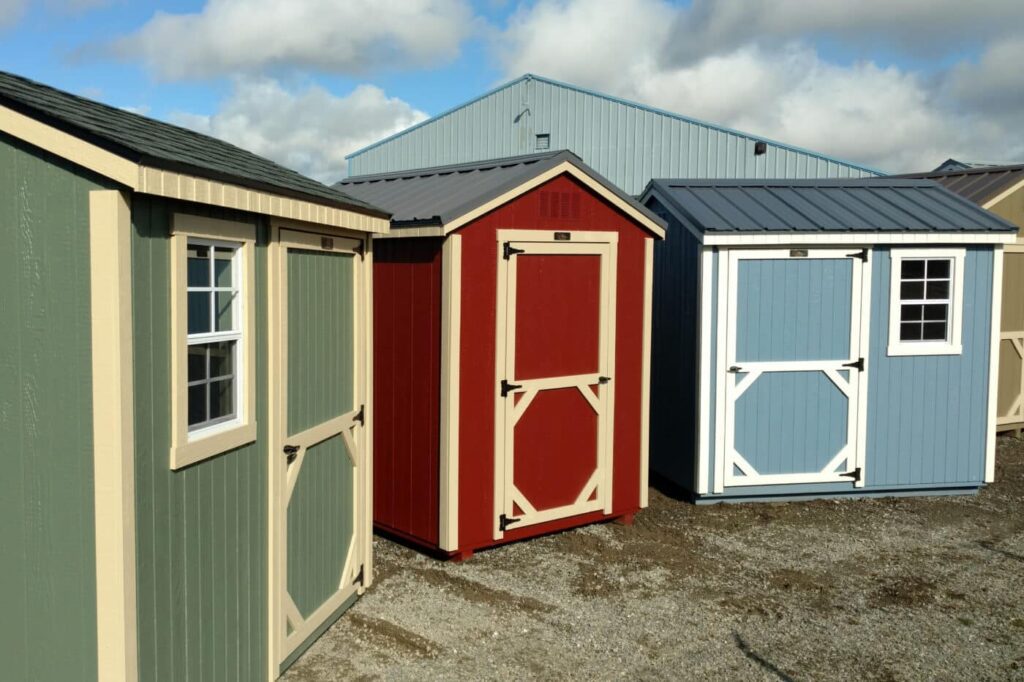
Steel City’s engineering team designs every shed to the specific operational requirements of the project. The following technical options are available across all factory shed and warehouse shed types:
• Turbo ventilators and ridge ventilation: passive heat exhaust systems that maintain working conditions in South Punjab’s summers without power consumption
• Polycarbonate skylights: translucent roof panels that introduce natural daylight to shed interiors, reducing artificial lighting costs during daytime operations
• Motorized roller shutter doors: heavy-duty sectional or rolling steel doors for vehicle access points, available in single-skin and insulated versions
• Mezzanine floors: structural steel platforms for administrative offices, quality control rooms, or additional storage within the shed envelope
• Fire-resistant intumescent coatings: applied to primary steel members in facilities requiring fire safety certification or handling flammable materials
• Security grilles and perimeter barriers: steel mesh or bar grilles for windows and secondary access points in high-security applications
• Extended eave canopies: external canopy structures at loading dock entries or equipment access points, providing weather protection for loading operations
Industrial Shed Price Guide — Pakistan 2026
The table below provides 2026 price guidance for Steel City’s main industrial shed types across Pakistan. All prices are in PKR per square foot for the steel structure, cladding, and erection. Foundation, site preparation, and utility connections are additional costs quoted separately. Minimum project size is typically 500 sqm.
| Shed Type | Typical Span | Price (PKR/sqft) | Best For |
| Basic Factory Shed (bare steel) | Up to 18m | 1,200 – 1,600 | Storage, temporary operations, agri use |
| Standard Factory Shed (EPS roof) | 18m – 30m | 1,600 – 2,100 | Light manufacturing, workshops, assembly |
| Premium Factory Shed (EPS panels) | 30m – 40m | 1,900 – 2,500 | Textile, FMCG, food processing, garments |
| Warehouse Shed (clear span) | 30m – 50m | 2,000 – 2,600 | Logistics, distribution, bulk storage |
| Used Industrial Steel Shed | Various | 700 – 1,200 | Budget expansion, temporary factory use |
| Cold Storage / Insulated Shed | Custom | 2,200 – 3,000 | Pharma, food cold chain, chemical storage |
Note: All figures are 2026 estimates based on current steel prices and market labor rates. Projects in Multan, Rahim Yar Khan, and Dera Ghazi Khan may carry a transport supplement of PKR 50 to 150 per sqft depending on project size and site access. Contact Steel City for a fixed-price quote for your specific project and location. For portable site offices and container office solutions to accompany your shed construction project: Porta Cabin Manufacturer in Lahore: Container Offices, Luxury Cabins & Site Solutions
How to Evaluate Industrial Shed Manufacturers in Pakistan Before Committing
Pakistan’s market includes a wide range of suppliers for industrial steel sheds — from established engineering firms to small local fabricators. Asking the right questions before placing an order protects your investment and ensures the structure meets your actual needs.
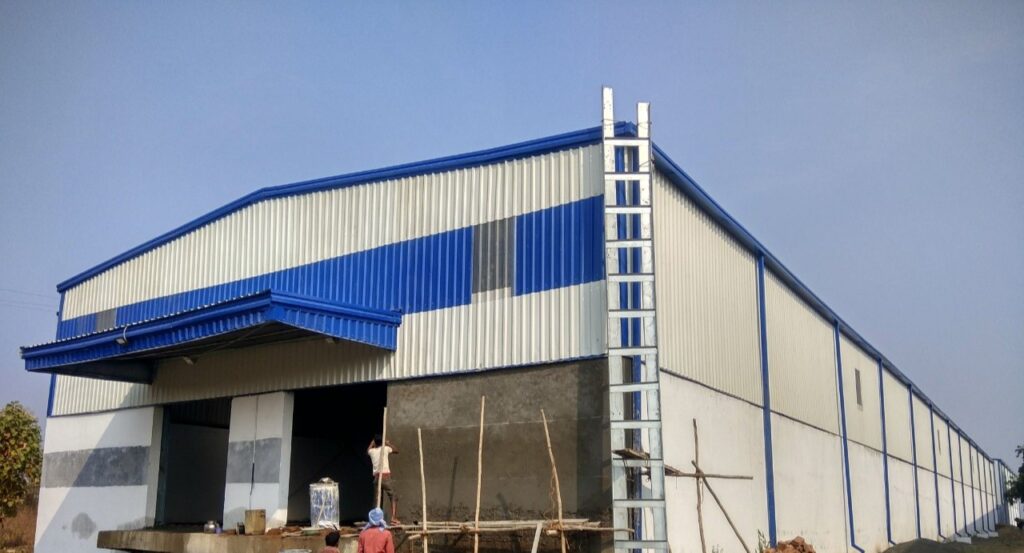
• Ask for stamped engineering drawings: a qualified manufacturer produces project-specific structural drawings signed by a registered structural engineer. Generic templates without site-specific calculations are a red flag.
• Verify fabrication capability: ask to visit the production facility. CNC beam welding equipment, shot blasting chambers, and controlled welding environments indicate the capacity to produce consistent structural quality at scale.
• Check material certifications: primary structural steel should come with mill test certificates confirming grade and mechanical properties. Ask for these before fabrication begins.
• Review the warranty terms: a credible industrial shed manufacturer in Pakistan provides a structural warranty covering the primary frame for a defined period — typically 5 to 10 years. No warranty is a significant risk indicator.
• Request references from completed projects: a manufacturer with genuine project experience in your region — Multan, South Punjab, or your specific city — can provide site addresses and client contacts for verification.
Frequently Asked Questions About Industrial Sheds in Pakistan
What is the price per square foot for an industrial shed in Pakistan in 2026?
Industrial shed prices in Pakistan in 2026 range from PKR 1,200 per sqft for a basic bare-steel factory shed to PKR 3,000 per sqft for a fully insulated cold storage or pharmaceutical-grade structure. The most common specification for a standard factory shed with EPS roof panels and full cladding falls between PKR 1,600 and 2,100 per sqft. Warehouse sheds with clear-span design and dock integration typically cost PKR 2,000 to 2,600 per sqft. Foundation, civil works, and utility connections add approximately 12 to 20% to the base structure cost.
What is the difference between a factory shed and a warehouse shed?
A factory shed is designed for active production use — it prioritizes clear internal span for machinery placement, adequate floor-to-eave height for equipment, ventilation for process heat removal, and structural provisions for crane systems where required. A warehouse shed is designed for storage and logistics — it prioritizes maximum racking density, large vehicle access doors, dock leveller integration, and where relevant, insulation to protect temperature-sensitive inventory. Both use PEB steel construction but are engineered differently based on their respective load patterns and operational requirements.
Are used industrial steel sheds safe and reliable for factory use in Pakistan?
Used industrial steel sheds can be safe and reliable when properly inspected, refurbished, and re-certified by a qualified structural engineer before reinstallation. The key assessment points are the condition of primary frame members, connection integrity, cladding condition, and the availability of original structural documentation. Steel City assesses all used sheds before recommending them to clients, replacing any structural members that do not meet minimum safety standards and providing a refurbishment report with every used shed project. Used sheds are best suited to medium-term or lower-criticality applications rather than primary production environments.
How does Multan’s climate affect industrial shed specification?
Multan’s summer temperatures, which regularly exceed 48°C, make insulated cladding panels a functional requirement for any occupied factory or warehouse shed — not an optional upgrade. Bare steel roofing without insulation can result in interior temperatures exceeding 55°C, making the space unsafe for workers and damaging temperature-sensitive goods. Steel City specifies EPS sandwich panel walls and roof cladding as the standard for Multan factory and warehouse sheds, supplemented by ridge ventilation systems. PU-insulated panels are specified for any application requiring closer temperature control, such as food processing, pharmaceutical, or cold-chain storage.
How long does it take to build a factory shed or warehouse shed in Pakistan?
A standard factory shed of 1,000 to 3,000 sqm is typically fabricated and erected in 5 to 8 weeks from order confirmation. Larger warehouse sheds of 5,000 to 10,000 sqm take 8 to 14 weeks depending on the complexity of the design and the site access conditions. Because PEB fabrication runs in parallel with foundation and civil works at the project site, the overall construction programme is significantly shorter than conventional brick-and-concrete construction of the same floor area. For urgent projects, Steel City can assess fast-track production scheduling based on current factory capacity.
What documentation does Steel City provide with an industrial shed project?
Steel City provides a complete documentation package with every industrial shed project, including: project-specific structural engineering drawings stamped by a registered structural engineer, a structural calculation report covering all primary and secondary frame members, steel mill test certificates for primary structural members, an as-built drawing set after project completion, and a maintenance schedule and guidance document. For projects requiring local authority approval in Multan, Rahim Yar Khan, or other South Punjab cities, Steel City prepares and submits all required documentation and manages the approval process on the client’s behalf.
Can I expand a factory shed or warehouse shed after it is built?
Yes. This is one of the core operational advantages of PEB steel shed construction over conventional building methods. Additional bays can be added to any Steel City factory or warehouse shed by extending the structure at either gable end — the existing frame remains in place and the new bays connect directly to it without demolition or structural disruption. Steel City recommends discussing planned future expansion at the initial design stage so the original foundation is specified to carry the additional load efficiently. Expansion can typically be carried out while the existing building remains in full operation.
Why Choose Steel City as Your Industrial Shed Manufacturer in Pakistan?
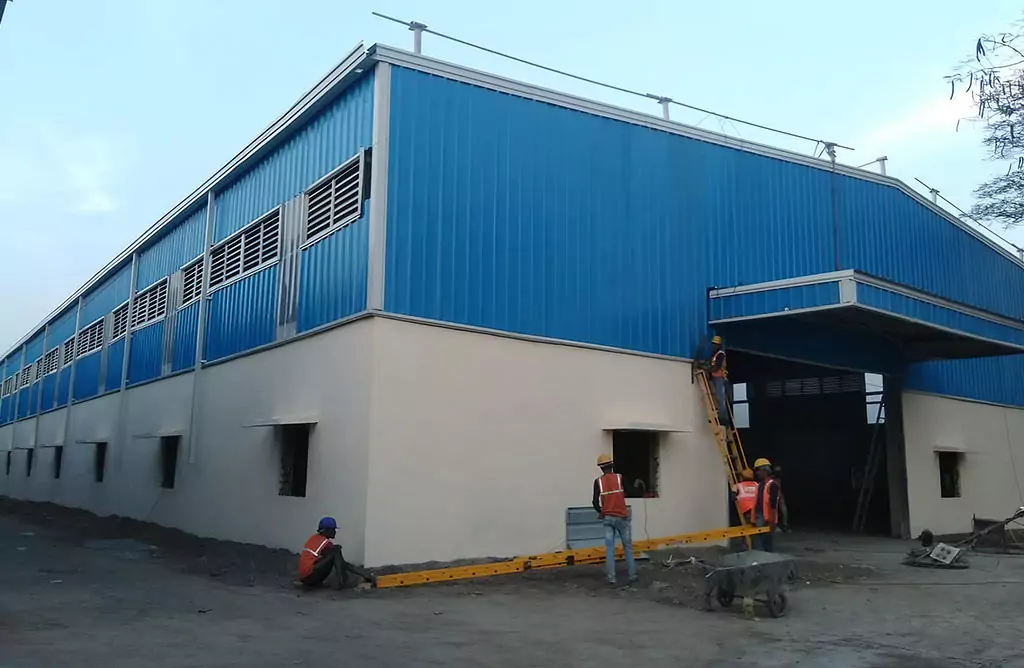
Steel City has delivered factory sheds, warehouse sheds, and used industrial steel sheds to clients across Multan, South Punjab, and every major industrial city in Pakistan. Our in-house structural engineering team designs every project to the specific site conditions, load requirements, and climate demands of your location — not to a generic template.
Our Lahore-based CNC fabrication facility ensures dimensional accuracy and consistent weld quality across every structural component. Our delivery and installation teams serve Multan, Rahim Yar Khan, Dera Ghazi Khan, Bahawalpur, and all South Punjab cities, with the local project experience to navigate site conditions, authority requirements, and logistics that out-of-region manufacturers routinely underestimate.
Every Steel City project is delivered under a fixed-price contract, with stamped engineering drawings, material certificates, a structural warranty, and dedicated after-sales support. No hidden costs. No generic structures. Just industrial shed solutions engineered for Pakistan, delivered by a team that has proven it across South Punjab and the country.
Get Your Industrial Shed Quote for Multan and South Punjab
Ready to plan a factory shed, warehouse shed, or used industrial steel shed project in Multan or anywhere in South Punjab? Contact Steel City’s engineering team via WhatsApp or phone. Share your requirements — shed type, floor area, span, location, and timeline — and we will prepare a detailed, fixed-price proposal within 24 hours.
From a 500 sqm cotton processing shed in Rahim Yar Khan to a 20,000 sqm logistics warehouse in Multan, Steel City has the engineering capability, fabrication capacity, and local installation experience to deliver — on time, on budget, and built for South Punjab.
Build smarter, Build faster, Build with Steel City.